Patterns Emerging in Bonus Renewals Tied to Sports Season Cycles
Finley Flores · May 30, 2026
Patterns Emerging in Bonus Renewals Tied to Sports Season Cycles
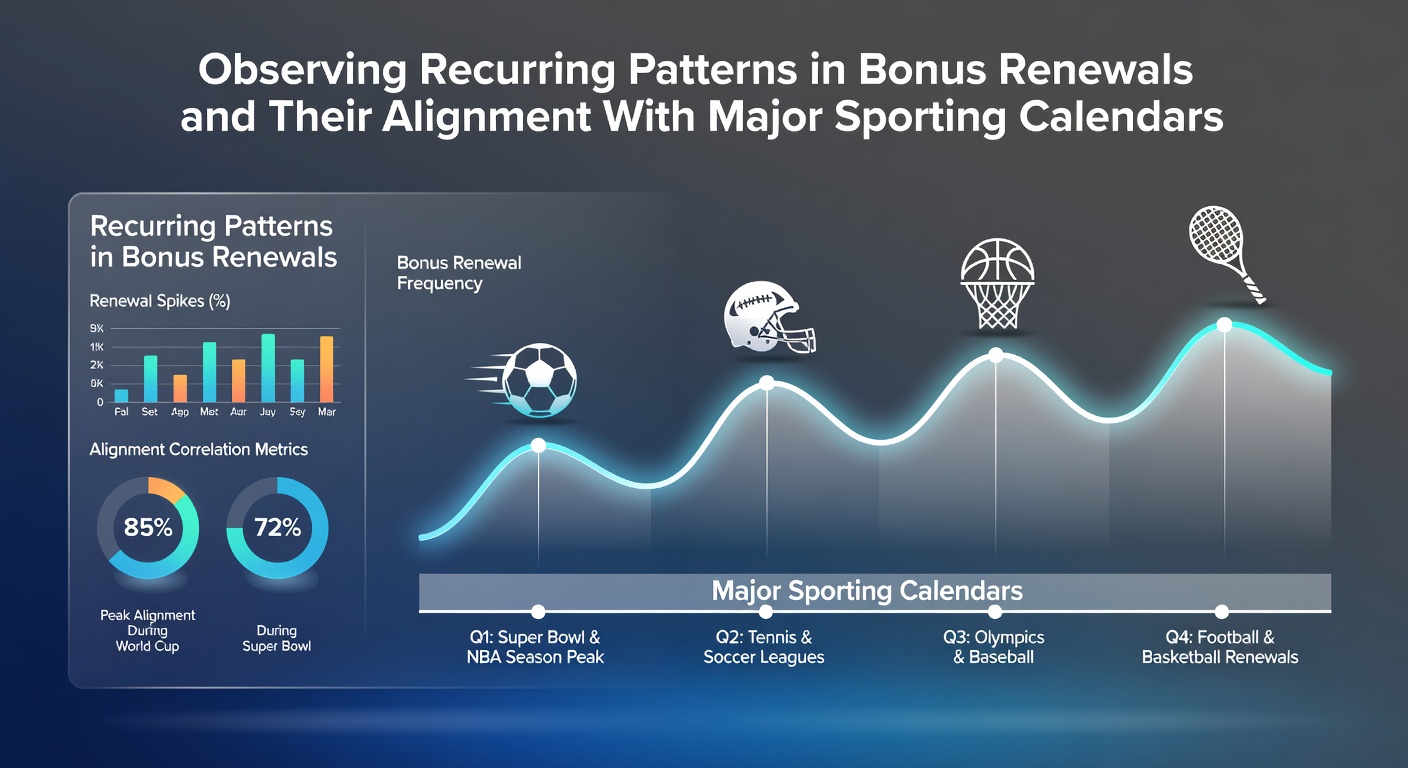
Operators in the betting sector track recurring cycles where promotional offers refresh in coordination with established athletic calendars, and data from multiple jurisdictions shows these alignments produce measurable spikes in activity during key periods. Researchers at the University of Nevada Reno documented how renewal schedules for welcome packages and reload incentives often coincide with the opening weeks of major leagues across North America and Europe, creating predictable windows that repeat annually. Those who've analyzed transaction logs note that platforms adjust terms and bonus values ahead of events like the NFL season launch or the start of European football campaigns, while quieter periods see scaled-back activity.
Calendar Synchronization Across Regions
Evidence from industry reports indicates that North American operators align their promotional resets with the NBA and NHL schedules, whereas European platforms synchronize more closely with domestic league fixtures and international tournaments. A study published by the American Gaming Association highlighted how these patterns produce higher redemption rates when bonuses launch within seven days of season openings, and similar trends appear in Australian markets where cricket and Australian Rules football calendars drive comparable cycles. Observers note that the rhythm extends beyond single events, with layered promotions appearing around overlapping competitions such as the UEFA Champions League group stages running alongside domestic cups.
Platforms maintain internal dashboards that flag upcoming fixture lists months in advance, allowing marketing teams to prepare offer structures that match anticipated audience interest. Figures from the Canadian Gaming Association reveal that bonus uptake increases by measurable margins during these aligned windows, particularly when terms include extended validity periods that cover entire tournament phases. The same data sets show reduced renewal frequency during off-seasons, when fewer major fixtures occur and operator focus shifts toward retention rather than acquisition campaigns.
Recurring Renewal Structures
Analysis of multi-year datasets demonstrates that certain bonus formats return at consistent intervals tied to specific sporting milestones. Free bet credits and deposit match incentives frequently reappear at the beginning of each Premier League or Serie A campaign, while enhanced accumulator offers cluster around cup finals and championship deciders. Those tracking promotional histories across operators report that mid-season reload bonuses often mirror earlier offers but with adjusted wagering requirements calibrated to current market conditions.
One research project examining European platforms found that renewal announcements cluster within a narrow timeframe before major transfer windows close, allowing operators to leverage roster changes as promotional hooks. The same study identified parallel behavior in Asian markets, where operators refresh cricket and football bonuses ahead of the Indian Premier League and AFC Champions League, producing synchronized activity spikes across time zones. Data indicates these patterns hold steady even when individual operators alter their branding, suggesting structural alignment with external calendars rather than isolated marketing decisions.
Adjustments Around 2026 Market Shifts
Changes scheduled for May 2026, including operational adjustments by several major retail networks, coincide with the conclusion of multiple European football seasons and the start of pre-season tours. Records show that operators have historically used these transitional months to introduce modified renewal terms that bridge the gap between completed campaigns and upcoming international fixtures. Australian regulatory filings reveal similar timing strategies around the end of their winter sports seasons, where bonus structures shift to accommodate emerging summer competitions.
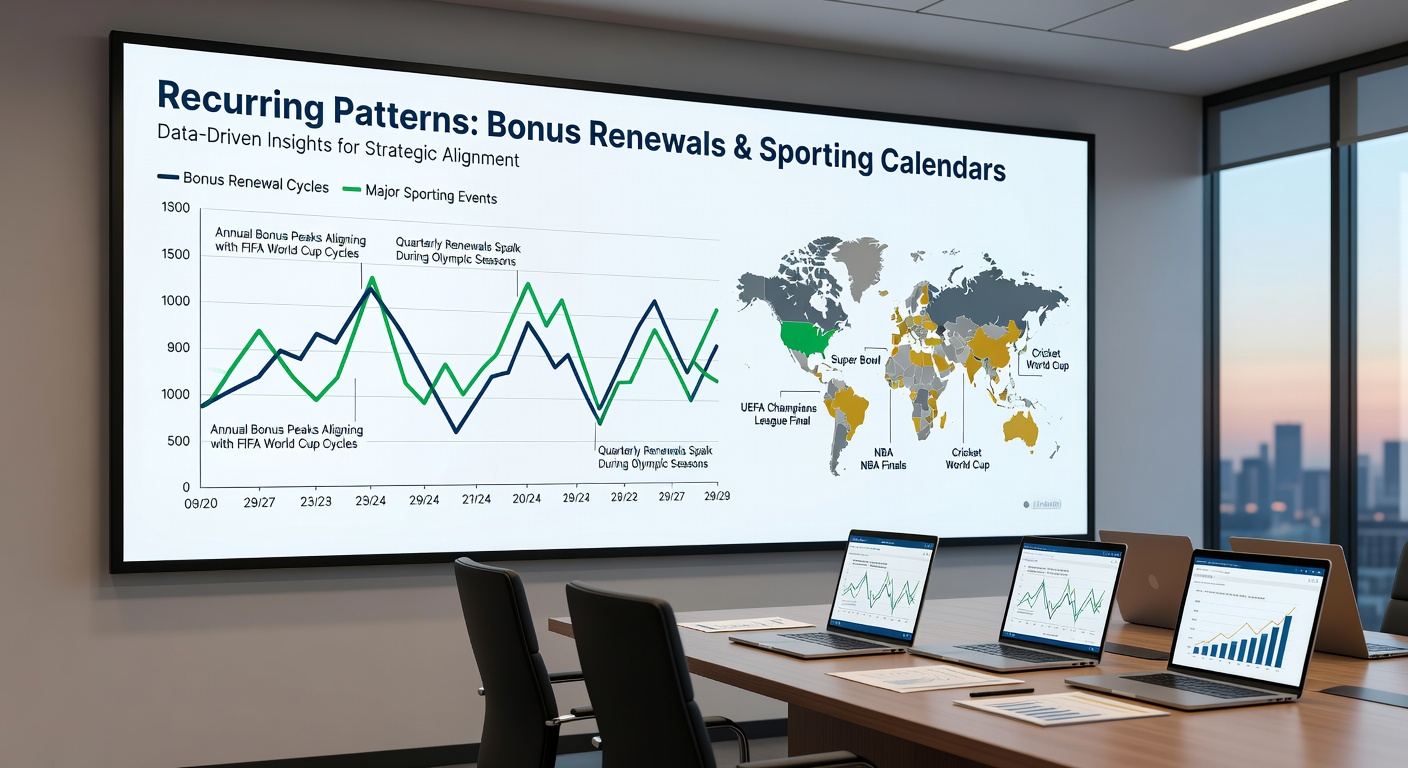
Platforms monitor fixture releases from governing bodies such as FIFA and the International Olympic Committee to calibrate their internal calendars, and analysts at research institutions have mapped these correlations across multiple years. The resulting patterns allow operators to maintain consistent promotional presence even as broader market conditions evolve around the May 2026 period.
Cross-Platform and Cross-Border Observations
Comparative studies across jurisdictions demonstrate that renewal patterns remain consistent whether operators function under strict regulatory frameworks or more permissive environments. Data compiled by the Swedish Gambling Authority shows alignment with domestic hockey and football seasons, while parallel records from the Nevada Gaming Control Board track similar synchronization with American football and basketball schedules. Observers note that international tournaments create additional renewal layers, as operators extend bonus validity across borders to capture audiences following global events.
Those reviewing promotional archives identify repeating sequences where early-season welcome offers give way to mid-season accumulator boosts, followed by championship-specific enhancements. These sequences appear across different operators and regions, suggesting industry-wide recognition of calendar-driven demand rather than isolated competitive tactics. Research indicates that platforms sharing common software providers exhibit particularly tight alignment in their renewal timing.
Conclusion
Longitudinal data confirms that bonus renewal patterns in the betting sector follow established rhythms dictated by major sporting calendars, with measurable consistency across years and jurisdictions. Operators continue to refine these alignments as new fixture schedules emerge, and research institutions track the resulting activity metrics. The May 2026 transition period fits within this broader framework of calendar-driven adjustments that repeat across seasons and markets.