Mastering Stacked Incentives Across Global Sportsbook Platforms
Blake Patterson · Jul 18, 2026

Mastering Stacked Incentives Across Global Sportsbook Platforms
Operators worldwide continue to roll out deposit matches, free bet credits, and cashback structures that often run simultaneously, creating opportunities for users who track eligibility windows and rollover conditions carefully. Data from industry tracking services shows participation in multi-offer combinations rising steadily through the first half of 2026, with July figures indicating sustained interest ahead of major international tournaments.
Core Mechanics Behind Simultaneous Offers
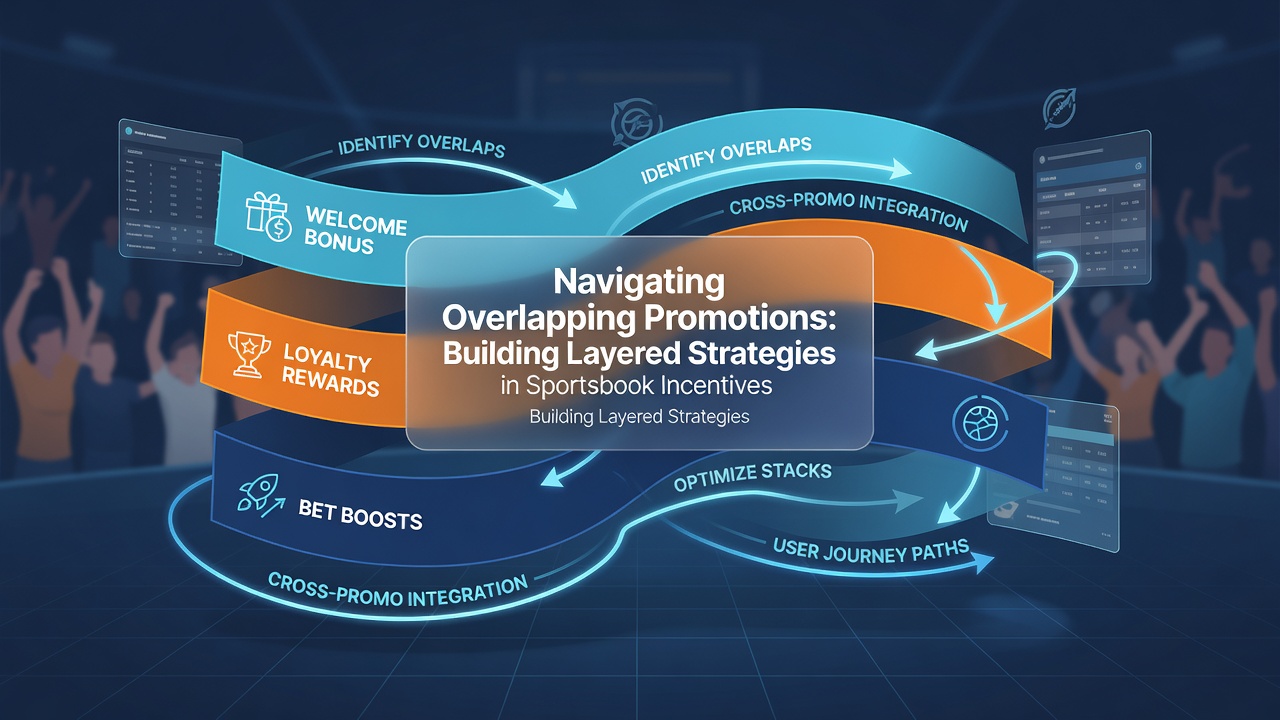
Most platforms structure promotions around distinct categories such as welcome packages, reload bonuses, and loyalty rewards, each carrying separate terms that may align or conflict depending on timing and account status. Analysts at research firms note that users who segment their activity across different incentive types frequently maintain compliance while extending play periods, because each layer typically resets on its own schedule rather than overlapping in a single calculation cycle.
Deposit match credits usually require an initial funding step followed by a wagering multiple, whereas free bet tokens often activate after a qualifying stake settles. Observers tracking these patterns report that sequencing the deposit match first, then applying free bet tokens to subsequent selections, allows the two incentives to operate without triggering the same bonus pool twice in most systems.
Mapping Offer Compatibility
Compatibility tables published by several major operators list which promotions can run together and which exclude one another. Figures released in mid-2026 by international gaming associations reveal that roughly 65 percent of active accounts in monitored markets hold at least two concurrent incentives at any given moment during peak months. Those who review the fine print on minimum odds requirements and maximum stake limits before committing funds tend to avoid accidental disqualification.
One documented approach involves splitting bankrolls into separate segments dedicated to each promotion tier, ensuring that rollover progress on a deposit match does not accidentally consume free bet credits intended for a different market. Regulators in multiple jurisdictions require clear disclosure of these stacking rules, and platforms have responded by updating their terms pages with visual timelines that display active windows for each offer.
Constructing Layered Sequences
Users who build sequences often begin with a time-limited reload bonus that credits instantly, then move to a cashback arrangement covering losses over a seven-day window. According to a 2025 academic paper from the University of Sydney's gambling research unit, such sequencing produced measurable differences in session length when participants maintained separate ledgers for each layer. The study tracked activity across licensed Australian platforms and found that users who documented start and end dates for every promotion completed rollovers at higher rates than those who relied on memory alone.
Another technique documented by industry analysts involves pairing a no-deposit token with a larger deposit match that activates only after the token expires. Because the no-deposit credit typically carries the strictest maximum payout cap, placing it early in the sequence prevents later high-value winnings from being restricted by the smaller offer's ceiling.
Compliance Checkpoints and Regional Variations
Regulatory frameworks differ sharply across borders. Nevada's Gaming Control Board, for instance, mandates daily reporting of bonus liability, which indirectly influences how operators time their overlapping promotions. In contrast, several Canadian provincial regulators focus on player protection messaging rather than strict stacking limits, allowing operators more flexibility in calendar placement.
Those who monitor account statements weekly catch discrepancies between credited amounts and displayed balances before they compound across multiple layers. Data released by the American Gaming Association in early 2026 highlighted that accounts with automated alerts enabled experienced fewer instances of bonus forfeiture compared with accounts lacking such notifications.
Tracking Tools and Record Keeping
Spreadsheet templates shared within betting communities allow users to log promotion codes, activation dates, rollover progress, and expiry alerts in one view. Several third-party applications now integrate directly with operator APIs to pull live balance and requirement data, reducing manual entry errors that previously led to missed deadlines. Observers note that consistent record keeping correlates with higher completion rates across layered strategies, though platforms retain the right to adjust terms mid-promotion when technical issues arise.
July 2026 saw several operators introduce unified dashboards that display all active incentives side by side, complete with countdown timers and remaining wagering requirements. These interfaces reduce the cognitive load of managing multiple offers, yet users still bear responsibility for verifying that their chosen selections meet any market or odds restrictions listed in the original terms.
Conclusion
Effective navigation of overlapping sportsbook incentives rests on systematic tracking, clear segmentation of funds, and regular review of updated terms across platforms. Regional regulatory differences continue to shape how operators present simultaneous offers, while user-side tools and internal dashboards provide increasing support for those maintaining multiple active layers. As incentive structures evolve through the remainder of 2026, the same foundational practices of documentation and sequencing remain central to sustained participation.