Integrated Approaches to Promotional Synchronization in Multi-Platform Betting Environments
Finley Flores · Jun 10, 2026
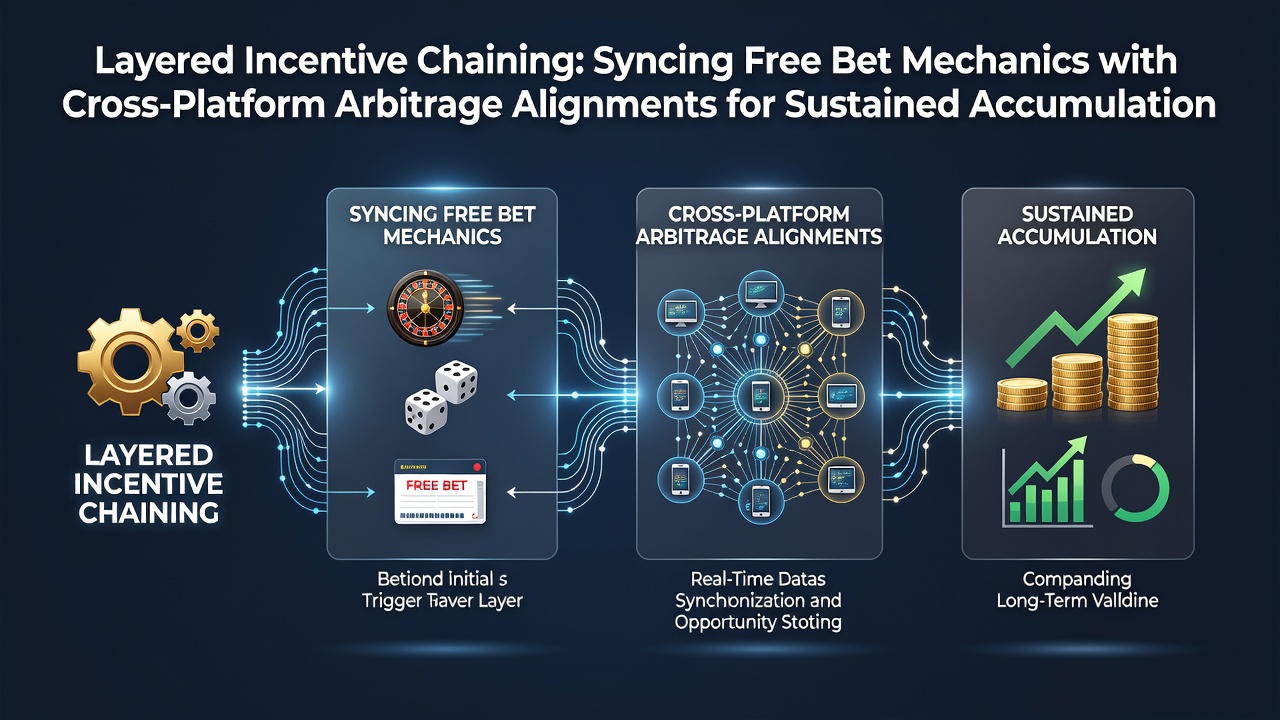
Integrated Approaches to Promotional Synchronization in Multi-Platform Betting Environments
Operators structure free bet promotions as time-limited credits that require specific wagering thresholds before any potential withdrawal becomes available, and these rules vary by jurisdiction and platform type. Users coordinate these credits with price discrepancies identified across bookmakers and betting exchanges, creating sequences where one platform's offer offsets exposure taken on another. Data from regulatory filings indicates that such coordination occurs most frequently during periods of high fixture density, including the European football calendar extensions observed through June 2026.
Core Mechanics of Free Bet Deployment
Free bet credits typically arrive with stake-not-returned conditions, meaning the initial credit amount does not form part of any eventual payout calculation, while separate rollover requirements dictate how many times the credit must be played through before funds convert to withdrawable cash. Platforms enforce these parameters through automated tracking systems that log each qualifying bet and adjust account balances accordingly. Research published by the University of Nevada's International Gaming Institute shows that rollover multipliers commonly range between three and eight times the credited amount, depending on the operator and the sport category involved.
Timing plays a decisive role because many free bets carry expiration windows of seven to thirty days, forcing users to identify suitable market opportunities within those constraints. Cross-referencing multiple operator calendars allows alignment of credit expiry dates with events where line movements create temporary pricing gaps suitable for arbitrage execution.
Cross-Platform Arbitrage Alignment Techniques
Arbitrage positions arise when divergent odds on identical outcomes produce a guaranteed margin once stakes are distributed proportionally across opposing sides. When one side of the position incorporates a free bet credit, the effective margin increases because the credited stake carries no direct financial risk to the user. Observers note that successful alignments require simultaneous access to at least one traditional bookmaker and one exchange platform, since exchanges permit laying outcomes at specified prices that can offset back bets placed elsewhere.
Software tools scan real-time odds feeds and flag combinations where the implied probability sums fall below 100 percent, yet these alerts become more valuable when filtered against active free bet inventories. In June 2026 several platforms introduced synchronized promotion calendars that published advance notice of upcoming free bet releases, enabling users to pre-plan sequences that chained one credit's completion into the activation of another offer on a different site.
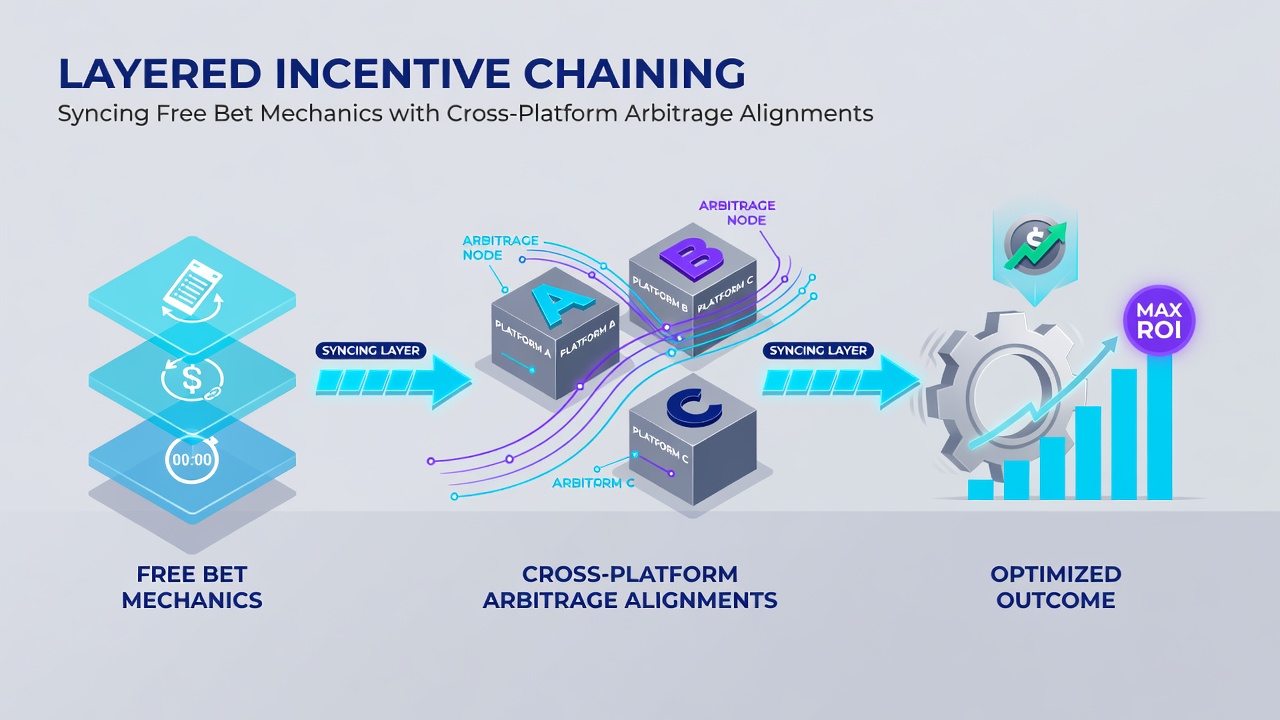
Sequential Layering for Sustained Accumulation
Layered chaining extends single-cycle arbitrage by feeding completed returns from one promotion directly into the funding or qualifying requirements of subsequent offers. A user might apply a free bet credit on a high-odds selection at one bookmaker, simultaneously lay the same selection at an exchange using cash funds, then direct any net proceeds toward meeting the deposit threshold of a new promotion on a third platform. This creates a continuous loop where promotional capital rotates across accounts without requiring additional external deposits after the initial setup.
Account verification levels affect how quickly funds can move between platforms, since operators subject larger transfers to enhanced due diligence under anti-money laundering rules. Reports from the Australian Communications and Media Authority indicate that verified accounts experience faster settlement times, which in turn supports tighter sequencing of layered positions. Those who maintain multiple fully verified profiles across regulated jurisdictions can therefore execute more frequent rotations within a single calendar month.
Market Conditions Supporting Extended Sequences
Fixture congestion periods increase the number of simultaneous events available for arbitrage, while promotional calendars expand to capture seasonal interest. June 2026 saw several operators extend cricket and tennis promotions into the northern hemisphere summer, creating additional alignment windows for users operating across time zones. Price discrepancies widen during these windows because bookmakers adjust margins independently and liquidity on exchanges fluctuates with participant volume.
Regulatory changes in individual markets also influence available mechanics, since restrictions on bonus types in one jurisdiction may push operators to emphasize free bet variants that remain permissible elsewhere. Users therefore monitor policy shifts announced by bodies such as the Ontario Lottery and Gaming Corporation to anticipate which platforms will introduce new incentive formats that can be integrated into existing chains.
Conclusion
Layered incentive chaining depends on precise coordination of promotional rules, real-time odds monitoring, and multi-account infrastructure that satisfies verification standards across platforms. Market data through June 2026 demonstrates that these sequences remain viable when operators continue releasing free bet credits alongside events that generate pricing inefficiencies. Sustained accumulation therefore requires ongoing adaptation to both rule changes and calendar-driven opportunity windows rather than reliance on any single static method.