Cross-Platform Incentive Chaining via Exchange Hedging Structures in British Wagering Markets
Rosa Russell · Aug 19, 2026
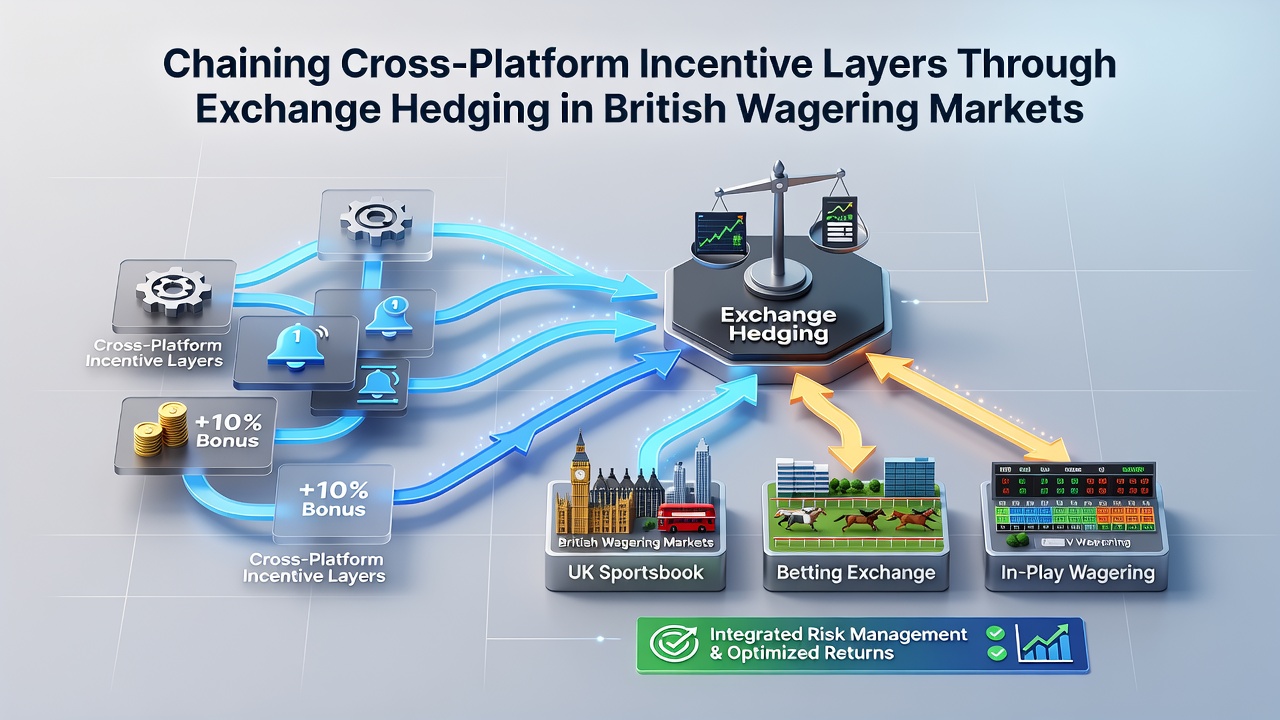
Cross-Platform Incentive Chaining via Exchange Hedging Structures in British Wagering Markets
Market participants in British wagering environments have developed layered approaches that connect promotional incentives from multiple operators with hedging positions on licensed exchanges, and these methods rely on precise timing combined with platform-specific rules to maintain balance across accounts. Data from industry reports indicate participation in such structures has grown steadily through 2025 and into August 2026 as operators adjust bonus terms while exchanges maintain high liquidity on major sporting events.
Platform Incentive Structures and Their Layering Potential
British bookmakers regularly issue free bets, enhanced odds, and deposit matches that carry distinct wagering requirements, while exchanges offer the ability to lay outcomes at variable prices that offset liability from those same promotions. Observers note that chaining occurs when an initial bonus on one site funds a position that is immediately hedged on an exchange, with the resulting profit or protected stake then moved to a third platform that offers a complementary incentive. Research from academic centers such as the University of Sydney's gambling studies group shows that operators in multiple jurisdictions track these patterns through account-level analytics, prompting frequent adjustments to terms and conditions.
Exchange Hedging Mechanics in Practice
Exchange platforms permit users to back and lay the same selection at different odds, creating a locked margin when price discrepancies arise between the bookmaker promotion and the exchange quote. Those who apply these techniques calculate the exact stake ratios needed to neutralize risk, then sequence the movements so that each completed cycle releases funds for the next incentive layer. Figures from the Australian Communications and Media Authority highlight similar cross-platform activity in regulated markets, where participants maintain separate ledgers to comply with operator rules on bonus abuse detection.
Sequential Movement Across Operators
One documented pattern involves claiming a risk-free bet on a high-profile football match, laying the outcome on the exchange at a slightly lower price to secure a small guaranteed return, then transferring the released capital to a second operator running a deposit-match offer. The process repeats when that match offer completes, with the new balance directed toward a third site featuring odds boosts on related markets. Industry organizations including the European Gaming and Betting Association have published guidelines that remind operators to monitor rapid fund movements between accounts, yet the techniques remain within the rules as long as each platform's terms receive full compliance.
Turnover requirements attached to bonuses create natural checkpoints, because funds must reach a minimum multiple before withdrawal becomes possible, and exchange hedging provides the mechanism to satisfy those thresholds without exposing capital to outcome risk. Studies from Canadian research institutions tracking online gambling patterns reveal that participants who chain incentives across four or more platforms in a single cycle achieve higher completion rates than those who focus on single-site offers.

Regulatory Context and Platform Responses
UK authorities have introduced measures aimed at transparency in promotional mechanics, while exchanges continue to publish real-time price feeds that support precise hedging calculations. External data from the New Zealand Department of Internal Affairs indicates that similar regulatory environments see increased use of multi-account strategies during periods of high sports activity, such as the summer racing and cricket seasons that align with August 2026 calendars. Operators respond by tightening verification processes and introducing stake limits on newly funded accounts, which in turn shapes how participants sequence their layers to stay below detection thresholds.
Payment processing times also influence cycle length, because funds must clear between platforms before the next incentive can activate, and delays at any stage reduce overall throughput. Market data collected by the International Betting Integrity Association shows that participants who maintain diversified banking channels across multiple providers experience fewer interruptions in these chained sequences.
Conclusion
Chaining cross-platform incentives through exchange hedging continues to evolve alongside operator policies and regulatory updates in British wagering markets. The mechanics rely on accurate stake matching, strict adherence to individual platform rules, and coordinated timing across accounts. As August 2026 progresses, available data from multiple international sources suggest the practice persists wherever promotional layers and exchange liquidity remain accessible to market participants.