Cross-Market Price Variations and Layered Promotions: Their Combined Effect on Return Patterns in British Betting Platforms
Blake Patterson · Jul 11, 2026
Cross-Market Price Variations and Layered Promotions: Their Combined Effect on Return Patterns in British Betting Platforms
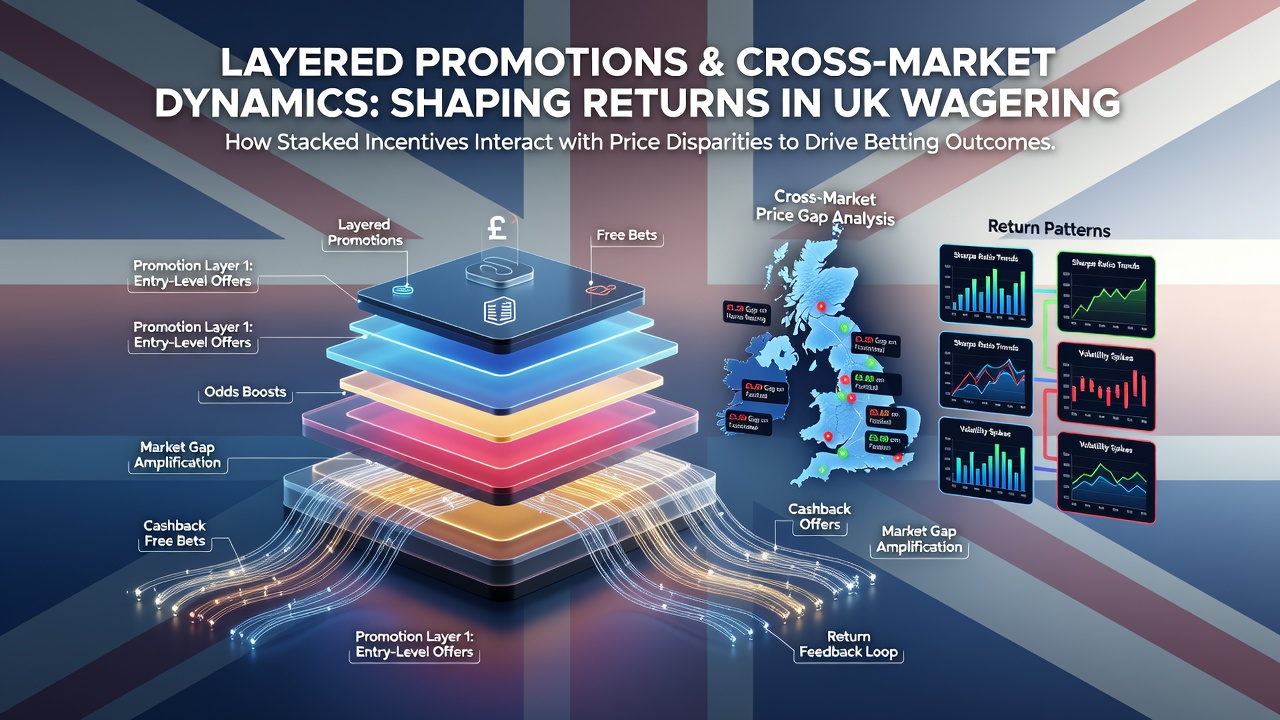
Layered promotions combine with cross-market price gaps to create measurable shifts in return patterns across British wagering platforms, and data from multiple sources tracks these dynamics through 2026. Operators structure bonuses in sequences that include deposit matches, free bets, and cashback tiers, while price differences emerge when the same event receives divergent odds on different sites or exchanges. These elements intersect when bettors apply sequential offers to offset discrepancies, producing return sequences that researchers have quantified in recent analyses.
Mechanics of Layered Promotions on UK Sites
British platforms deploy stacked incentives where initial sign-up bonuses feed into ongoing rewards such as reload offers or loyalty points that convert to additional stakes. A single account might activate a 100% deposit match followed by a risk-free bet on a subsequent wager, and further tiers unlock once wagering thresholds are met. These layers require specific conditions including minimum odds and time limits, which operators enforce to control exposure. When users navigate multiple accounts, the combined value of these incentives can exceed standard margins on individual bets, and this stacking effect appears consistently in platform reports from operators active through July 2026.
Cross-Market Price Gaps and Their Origins
Price gaps arise when bookmakers and exchanges assign different probabilities to identical outcomes, often due to varying risk models, regional customer bases, or real-time data feeds. A football match might show 2.10 odds on one site and 2.25 on another for the same result, creating an opportunity for simultaneous positions that lock in a margin regardless of the final score. These discrepancies fluctuate with news flow, injury updates, and liquidity differences between traditional bookmakers and betting exchanges. Analyses from academic institutions indicate that gaps widen during high-volume periods such as major tournaments, while they narrow when automated pricing tools align across platforms.
Interaction Patterns and Return Sequences
When layered promotions overlay cross-market gaps, return patterns shift from single-event outcomes to multi-step cycles that span several days or weeks. A bettor might apply a free bet token to one side of a discrepant market while using a matched deposit bonus on the offsetting position, thereby reducing net exposure and extending the duration of positive returns. Data indicates that such combinations produce steadier sequences because the promotional value cushions small price misalignments that would otherwise erode margins. In July 2026, observers tracking these activities noted increased frequency during the summer sports calendar, where overlapping football and tennis fixtures generated repeated gaps across sites.
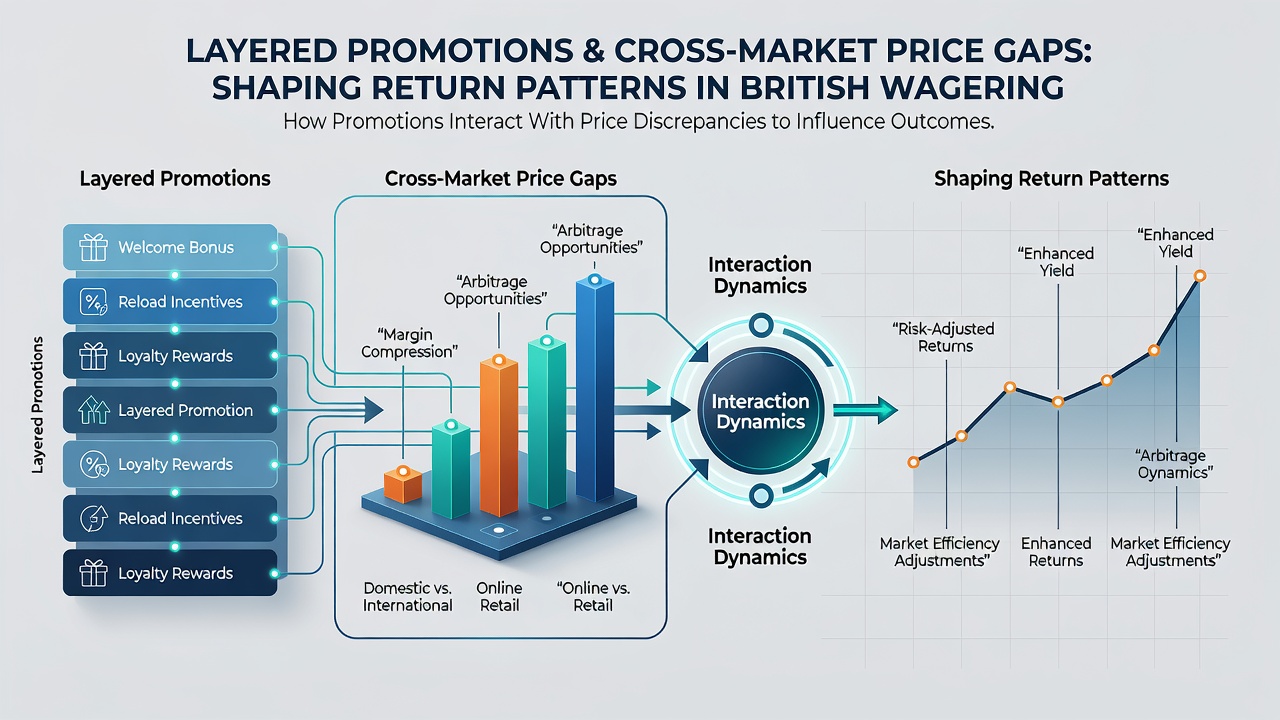
Those who monitor platform data find that the timing of bonus activation relative to gap appearance determines the scale of returns. Early activation of a deposit match before a gap widens allows larger stake sizes on the higher-odds side, while delayed use of cashback layers can recover losses from earlier positions. Studies from the University of Melbourne highlight how these timing variables correlate with overall return volatility across samples of British users. Exchange liquidity plays an additional role, since deeper order books on certain platforms absorb larger opposing bets without shifting prices, sustaining the gap longer than thinner markets permit.
Observed Behaviors in British Platforms
Return patterns on British sites show clustering around promotional calendars, with spikes following major bonus launches that coincide with fixture schedules producing wide odds spreads. Users often route activity through multiple operators to maximize layer combinations, and this routing creates visible flows in aggregated transaction data. Industry reports from the European Gaming and Betting Association document how these flows concentrate during evenings and weekends when both promotional redemptions and live betting gaps peak simultaneously. The resulting patterns include extended sequences of small positive returns punctuated by occasional resets when operators adjust odds or bonus terms.
Regulatory frameworks in other jurisdictions, such as those overseen by state bodies in Australia, provide comparative context where similar interactions occur under different tax structures. These comparisons reveal that British platforms maintain higher promotional density, which amplifies the effect of any given price gap on net returns. Platform operators respond by tightening terms around bonus stacking, yet gaps persist because independent pricing engines continue to diverge on event-specific factors.
Conclusion
The interplay between layered promotions and cross-market price gaps generates structured return patterns that British wagering platforms exhibit through mid-2026. Sequential bonus application combined with simultaneous positioning across discrepant odds produces cycles that extend beyond single-bet results. Data from academic and industry sources continues to map these dynamics as operators refine their offerings and market conditions evolve with fixture calendars.