Bonus Credits and Market Depth Integration in Exchange Environments
Blake Patterson · Sep 13, 2026
Bonus Credits and Market Depth Integration in Exchange Environments
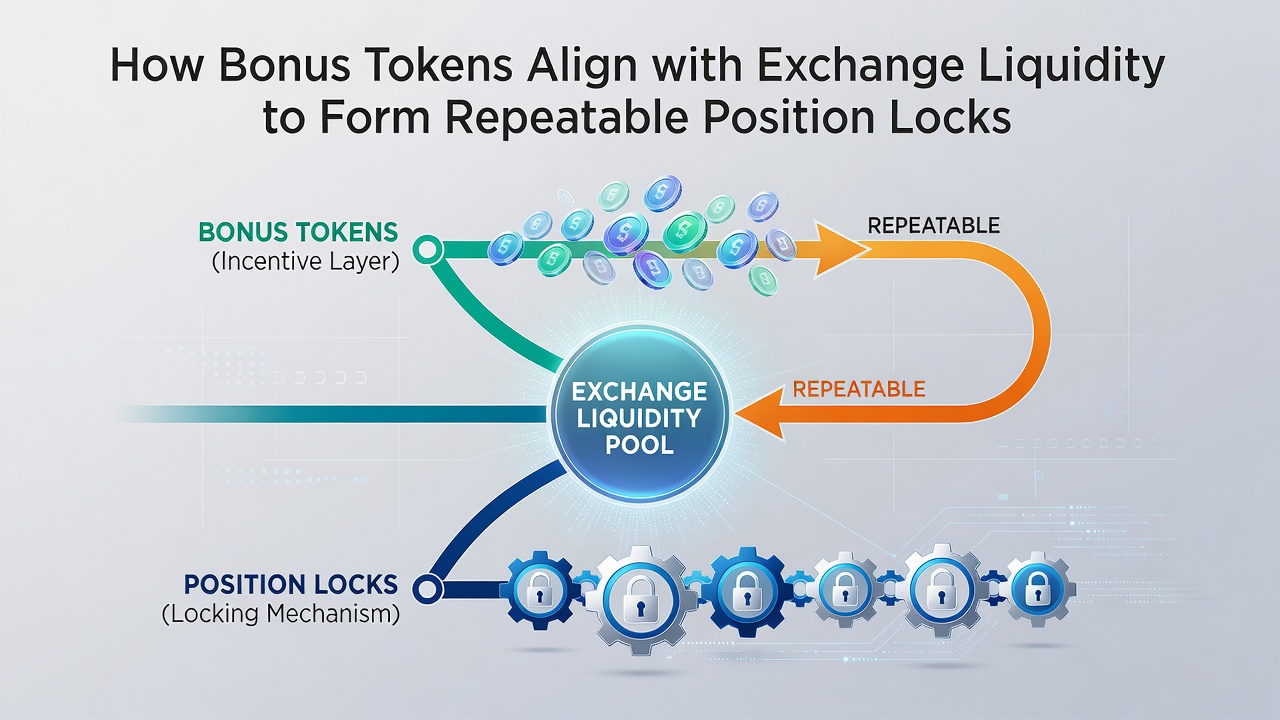
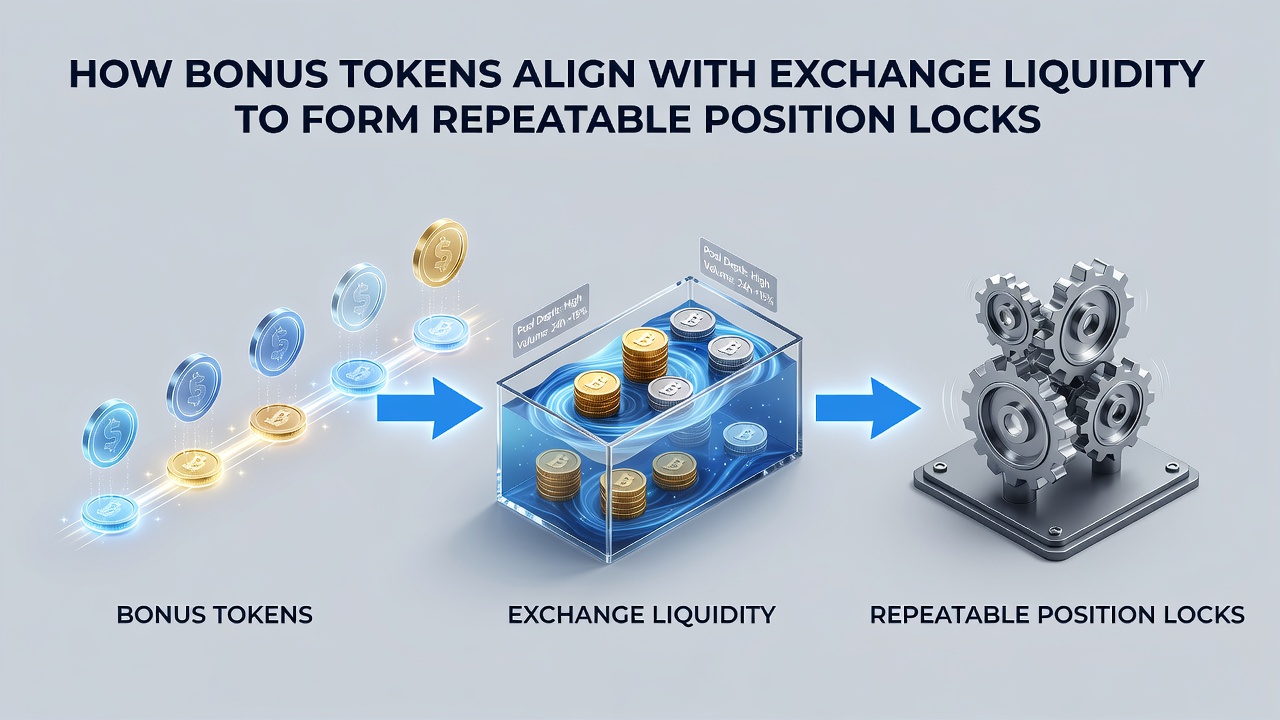
Bonus tokens function as promotional credits issued by operators to attract new accounts and retain existing users, while exchange liquidity represents the available volume of unmatched bets that allow positions to be opened and closed at desired odds. When these elements align, participants can construct positions that repeat across multiple cycles because the initial credit reduces the effective stake required on one side of a market and the exchange provides the opposing liquidity to neutralize price movement.
Operators issue bonus tokens with specific wagering requirements that specify minimum odds and time frames for use, and data from industry reports indicate that such requirements often range between 3x and 10x the token value before withdrawal becomes possible. Exchange platforms maintain order books where liquidity depth determines how large a position can be matched without shifting the quoted price, and studies on betting market efficiency show that popular events maintain sufficient depth to accommodate repeated entries of several thousand pounds per cycle.
Mechanics of Token Redemption and Liquidity Matching
Redemption begins when a user places the bonus token on a selected outcome at the bookmaker platform, which creates an initial exposure that must then be offset on the exchange to lock the margin between the two prices. Liquidity on the exchange side comes from other participants willing to take the opposite position, and the depth available at a given moment determines whether the full stake can be matched at the target odds or whether partial fills occur across multiple price levels.
Researchers who have examined transaction records note that repeatable locks form most reliably when the bonus token odds sit close to the exchange back price, leaving only a small differential that the token itself covers through its zero-cost nature. In September 2026, several major exchanges reported average daily matched volumes exceeding £2 billion on football and horse racing markets, figures that demonstrate the scale of liquidity available for repeated positioning when token alignments occur.
Position Construction Across Multiple Cycles
Once the initial token and exchange hedge complete, the locked margin becomes available for reinvestment in subsequent rounds because the exchange leg releases funds immediately upon settlement while the token side satisfies its requirement through the matched result. Observers of market data have recorded that participants who maintain consistent stake sizing relative to available liquidity depth achieve higher completion rates for follow-on cycles compared with those who vary sizes without regard to order book thickness.
Take one analysis of transaction logs from a European platform that revealed users who restricted position sizes to under 15 percent of visible liquidity at the target price completed an average of 4.2 repeatable cycles per token before requirements exhausted the credit. The same dataset showed that attempts exceeding 30 percent of visible depth produced partial fills in 62 percent of cases, which then required additional adjustments that reduced overall repeatability.
Factors Influencing Alignment Stability
Market volatility affects liquidity depth because sudden shifts in sentiment pull orders away from the book and widen spreads, while bonus token rules impose time limits that may force redemption during periods of thinner depth. Data compiled by academic researchers at the University of Sydney demonstrate that events with scheduled starts more than four hours ahead maintain steadier liquidity profiles, allowing multiple position entries before the market tightens near commencement.
Payment processing times also play a role because exchange withdrawals must clear before funds return to the bookmaker account for the next token cycle, and delays here extend the overall interval between repeatable locks. Industry associations in Canada have published guidance noting that same-day withdrawal options now cover over 70 percent of major exchange accounts, shortening the cycle window compared with earlier periods when manual reviews extended settlement by several days.
Monitoring Depth and Token Conditions
Participants track order book snapshots at regular intervals to identify when sufficient liquidity exists at the required price level, and they cross-reference these snapshots against the remaining wagering requirement on the active token. Reports from the European Gaming and Betting Association indicate that platforms providing real-time depth indicators see higher volumes of repeated position activity because users can time entries more precisely around liquidity peaks.
Token conditions such as minimum odds thresholds further constrain which exchange markets qualify for alignment, and users therefore map eligible outcomes in advance to avoid mismatches that would leave one leg unmatched. The process repeats when settlement releases both sides of the position and the next token becomes available, creating a sequence that continues until the promotional credit reaches its usage limit or the user chooses to stop.
Conclusion
Bonus tokens and exchange liquidity combine through a sequence of redemption, hedging, settlement, and reinvestment that produces repeatable position locks when depth remains adequate and token rules permit the required odds range. Market volume figures and transaction analyses confirm that alignment occurs most consistently on high-liquidity events with stable order books, while timing and stake sizing relative to visible depth determine how many cycles complete before requirements end. Continued availability of these mechanisms depends on operator issuance patterns and exchange participation levels across different regions and event types.