Betting Promotion Layers: Constructing Ongoing Advantages in the British Sportsbook Ecosystem
Finley Flores · Jul 8, 2026
Layered Promotions Fueling Persistent Advantages in Britain's Evolving Sportsbook Landscape
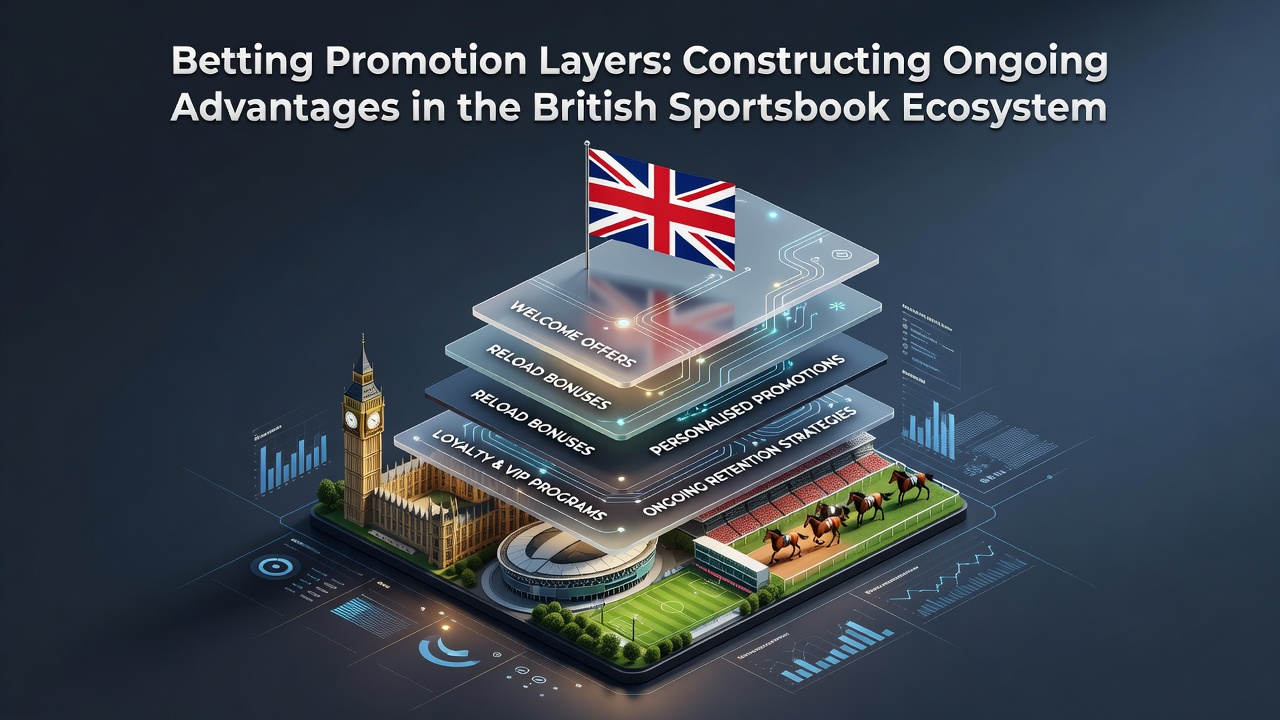
British sportsbooks have expanded their promotional frameworks into multi-tiered systems that combine welcome incentives, reload structures, and loyalty mechanics into sequences designed for repeated participation. Observers note that operators structure these layers to align with seasonal sports calendars, creating pathways where initial sign-up rewards feed directly into ongoing deposit matches and cashback tiers. Data from industry tracking shows participation rates holding steady while average session durations increase during major events like Premier League restarts and international tournaments. Those who've examined operator reports find that promotion layering often begins with entry-level free bets or enhanced odds before transitioning into conditional cashback on net losses or points-based rewards programs. This sequencing allows users to move from one benefit tier to the next without resetting eligibility, provided activity thresholds remain consistent. Research indicates such designs emerged prominently after regulatory adjustments in 2024, with operators adapting to maintain engagement levels amid shifting compliance requirements.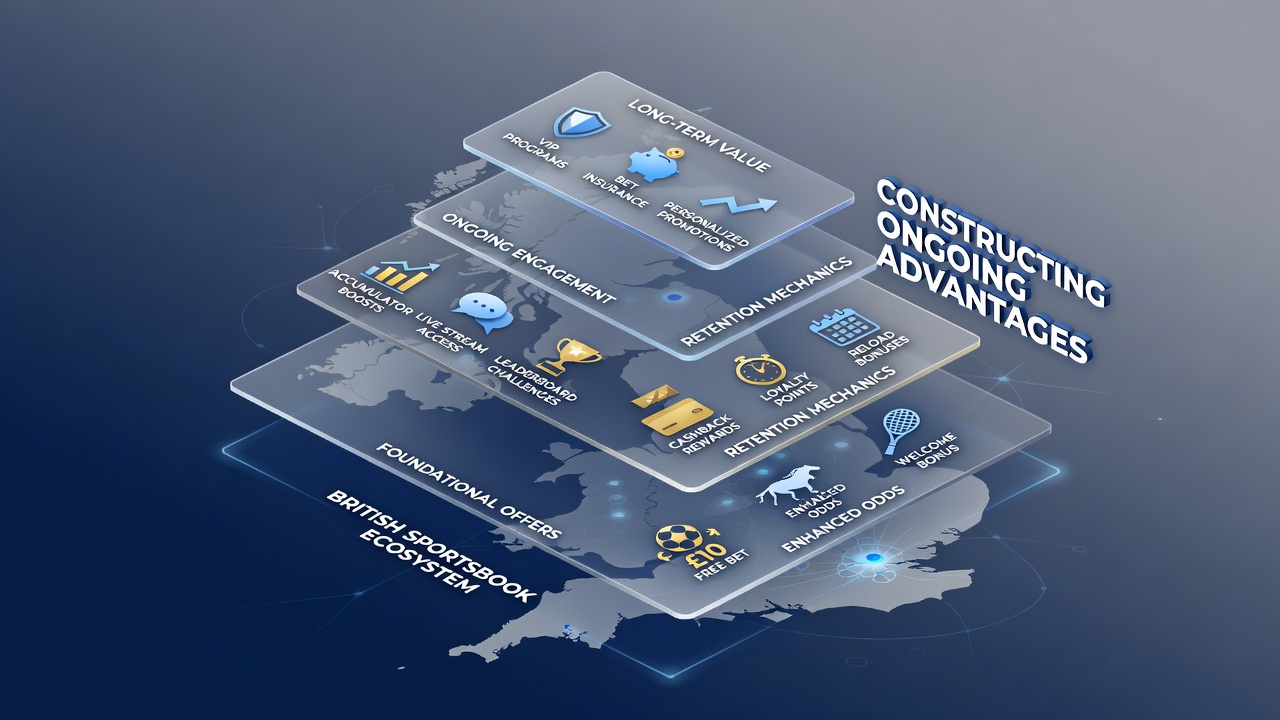
British sportsbooks have expanded their promotional frameworks into multi-tiered systems that combine welcome incentives, reload structures, and loyalty mechanics into sequences designed for repeated participation. Observers note that operators structure these layers to align with seasonal sports calendars, creating pathways where initial sign-up rewards feed directly into ongoing deposit matches and cashback tiers. Data from industry tracking shows participation rates holding steady while average session durations increase during major events like Premier League restarts and international tournaments. Those who've examined operator reports find that promotion layering often begins with entry-level free bets or enhanced odds before transitioning into conditional cashback on net losses or points-based rewards programs. This sequencing allows users to move from one benefit tier to the next without resetting eligibility, provided activity thresholds remain consistent. Research indicates such designs emerged prominently after regulatory adjustments in 2024, with operators adapting to maintain engagement levels amid shifting compliance requirements.Core Components of Layered Systems
Promotion layers typically include distinct categories that interconnect across time. Entry bonuses serve as the base, followed by recurring deposit matches that activate on scheduled intervals. Loyalty schemes then accumulate points convertible into free bets or site credits, creating a third layer that rewards volume rather than single events. Analysts tracking these patterns report that integration between layers occurs through unified account dashboards, where progress in one category automatically unlocks eligibility in others. What's notable is how operators time these elements around fixture lists. Summer transfer windows and pre-season friendlies often trigger enhanced accumulator offers that build upon earlier deposit activity. By July 2026 several platforms had introduced hybrid structures merging cashback with loyalty multipliers, allowing users to stack percentages across multiple bet types within a single promotional cycle. Figures from European betting associations reveal similar layering trends across markets, though British implementations emphasize tighter integration with live betting interfaces.Operational Mechanics and User Pathways
Users navigate layered promotions through account progression systems that track cumulative activity rather than isolated transactions. A deposit match might require a minimum stake on specific markets before unlocking a subsequent cashback round, while loyalty points accrue independently and convert at fixed intervals. This structure creates continuous engagement loops where completion of one layer satisfies conditions for the next. Industry reports highlight that such mechanics reduce the need for repeated marketing outreach because eligibility carries forward automatically. Take one platform that introduced a three-stage model in early 2026, where initial free bet credits converted into reload matches after a qualifying period, which then fed into monthly cashback based on total turnover. Observers tracking retention metrics found that users who completed all stages showed higher return rates compared with those engaging single promotions. The system relies on transparent tracking tools that display remaining requirements and upcoming layer activations within the same interface.