Aligning Promotional Schedules Across Rival Betting Operators
Rosa Russell · Jun 6, 2026
Aligning Promotional Schedules Across Rival Betting Operators
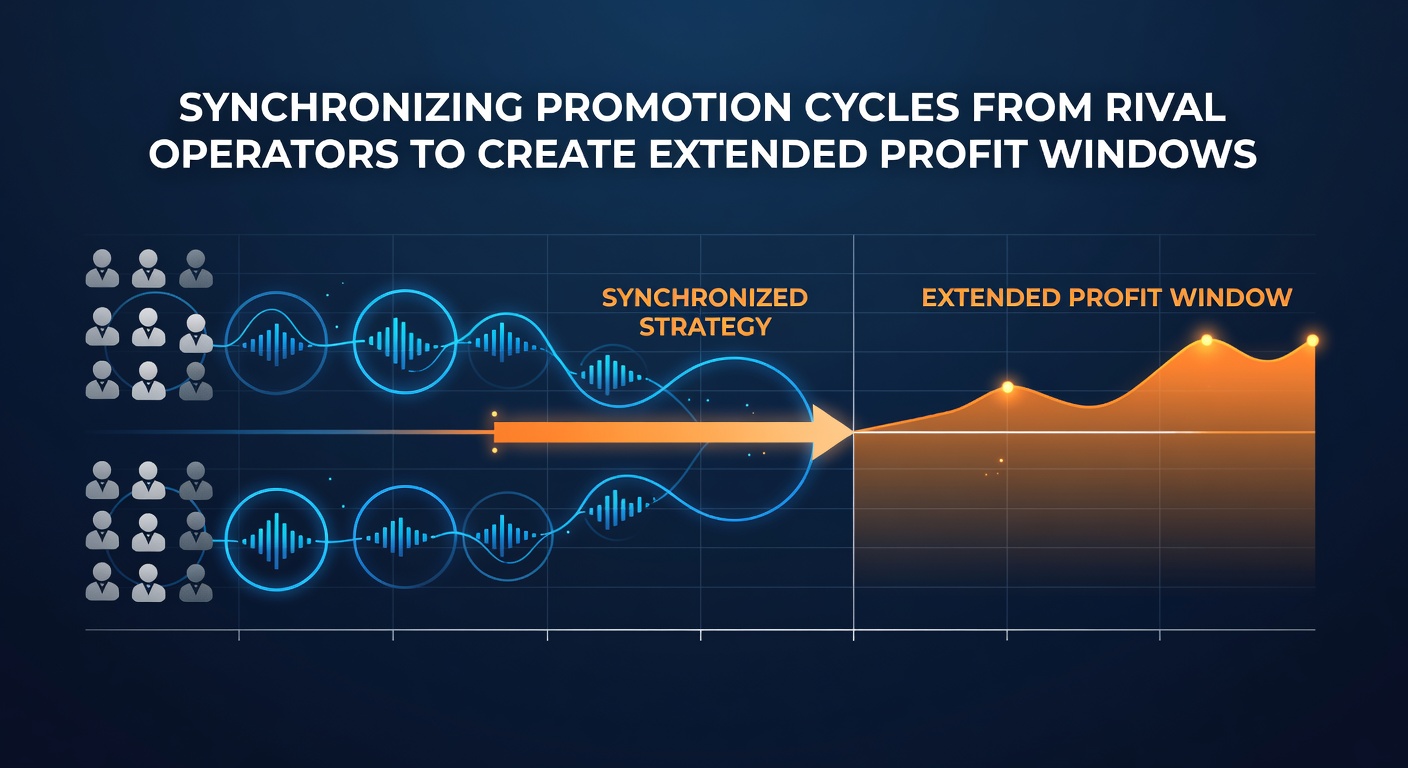
Operators in competitive markets often release bonuses, free bets, and deposit matches on staggered schedules that create natural overlaps when tracked carefully. Data from industry analyses shows these cycles typically run in 7 to 14 day windows, allowing participants to layer offers from different platforms without direct conflict. Observers note that synchronization happens when one operator's reload bonus coincides with another's cashback period, extending the timeframe where risk-managed positions can remain active.
Understanding Cycle Patterns in Major Markets
Research from the American Gaming Association indicates that North American sportsbooks adjust promotions around major events such as the Super Bowl or March Madness, yet smaller weekly offers fill gaps between those peaks. In contrast, Australian operators regulated under state frameworks tend to cluster reload bonuses at month-start, creating predictable entry points for multi-platform strategies. Those who've studied these patterns report that June 2026 data revealed increased alignment between European and Asian operators during international football tournaments, where deposit matches launched within 48 hours of each other across borders.
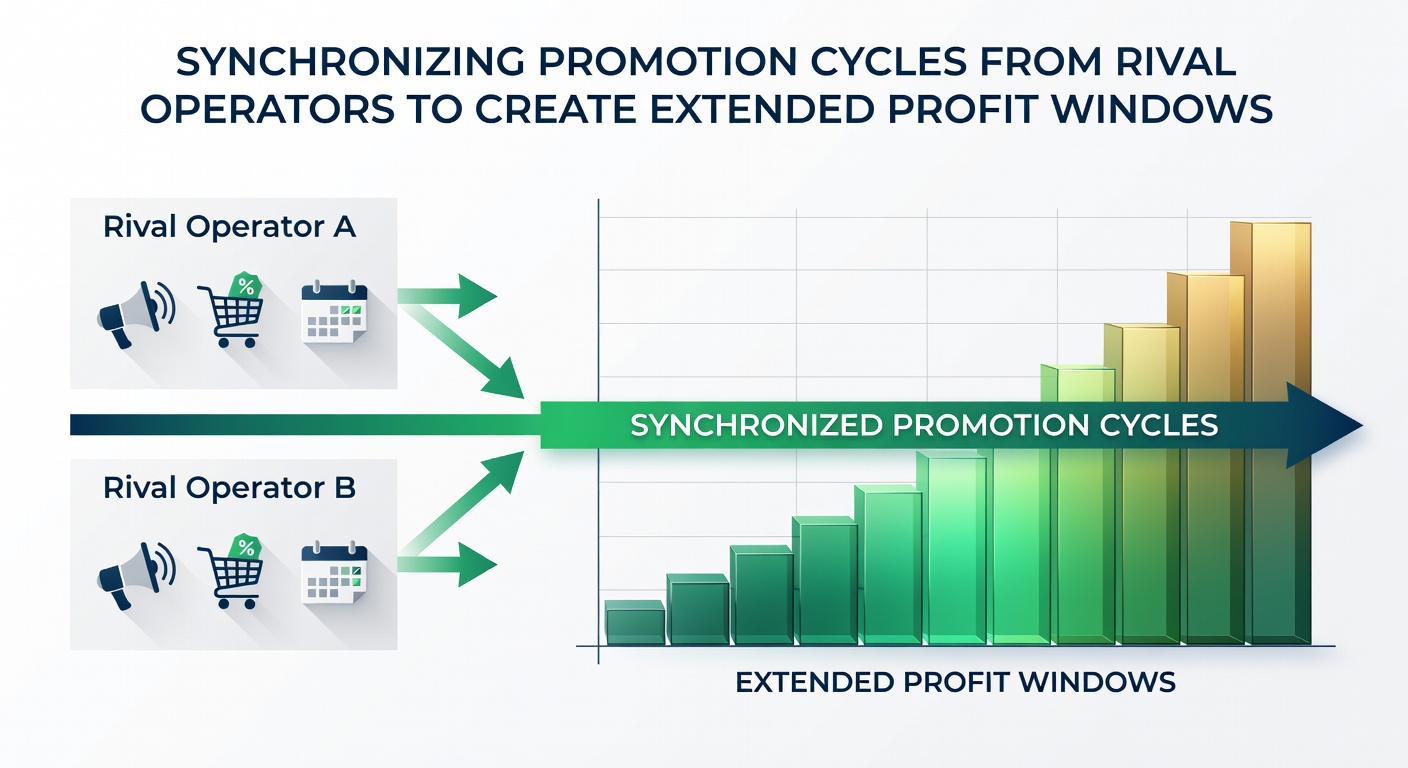
Figures reveal that platforms using similar software providers share backend timing tools, which leads to synchronized release dates even among competitors. This technical overlap produces windows lasting up to three weeks when users move capital sequentially from one offer to the next. Experts tracking these movements have documented cases where a Tuesday deposit match on one site overlaps with a Friday cashback program on another, forming continuous coverage rather than isolated bursts.
Practical Coordination Methods
Participants monitor release calendars published by operators themselves along with third-party tracking services that aggregate bonus data. One documented approach involves mapping each platform's historical release days onto a shared timeline, then identifying clusters where two or more offers activate within the same 72-hour span. Studies from the Canadian Centre for Gaming Research show that such mapping reduces downtime between active promotions by an average of 40 percent when executed across four or more operators.
But here's the thing: regulatory differences affect how long each offer remains claimable. Operators in jurisdictions with strict advertising rules must publish terms earlier, giving advance notice that aids synchronization planning. In less restrictive regions, last-minute changes occur more frequently, requiring real-time adjustments to maintain continuous coverage. Data indicates that operators using automated bonus engines create more reliable cycles, while manual systems introduce variability that can either shorten or accidentally extend profit intervals.
Regional Variations and Timing Factors
European markets display tighter clustering around football seasons, whereas North American platforms spread offers more evenly across basketball, baseball, and hockey calendars. A University of Nevada study on gaming economics found that cross-border operators sometimes align their US-facing and EU-facing promotions deliberately to capture overlapping user bases during summer months. June 2026 records showed several instances where a major operator's global reload bonus launched simultaneously with regional cashback programs from competitors, producing extended periods where multiple active offers coexisted.
What's interesting is how software updates influence these patterns. When one platform adopts new bonus-triggering code, rival systems often follow within weeks, creating wave-like synchronization across the sector. Observers tracking these shifts report that such waves typically last two to three months before settling into new baseline rhythms. Participants who maintain updated tracking spreadsheets capture these transitions early and adjust their capital allocation accordingly.
Measuring Extended Windows
Industry reports quantify success through metrics such as average active offer days per month and capital utilization rates. When synchronization reaches optimal levels, users maintain positions across platforms for 20 to 25 days each month rather than the 10 to 12 days typical with unsynchronized approaches. Research published by the Asia Pacific Association of Gaming Regulators highlights that markets with high operator density achieve these longer windows more consistently because more offers compete for attention and therefore release on tighter schedules.
Yet timing alone does not guarantee results. Each offer carries specific terms around minimum odds, rollover requirements, and eligible markets that must align for the extended window to function. Data shows that mismatches in these parameters often interrupt the chain, forcing participants to pause activity until the next compatible cycle begins. Operators occasionally adjust terms mid-cycle in response to volume, which introduces additional variables that sophisticated tracking systems attempt to flag in advance.
Conclusion
Synchronization of rival promotion cycles produces measurable extensions in active profit windows when operators release overlapping offers on compatible schedules. Regional regulatory frameworks, software infrastructure, and seasonal event calendars all shape how frequently these overlaps occur. June 2026 patterns demonstrated that careful mapping of release dates across multiple jurisdictions can maintain continuous coverage for participants who monitor terms and adjust positions in real time. Continued evolution in operator systems suggests these alignment opportunities will persist as long as competitive pressure remains high across global markets.