Aligning Layered Incentives With Dynamic Price Movements to Sustain Return Cycles Among British Operators
Parker Meier · Jul 27, 2026
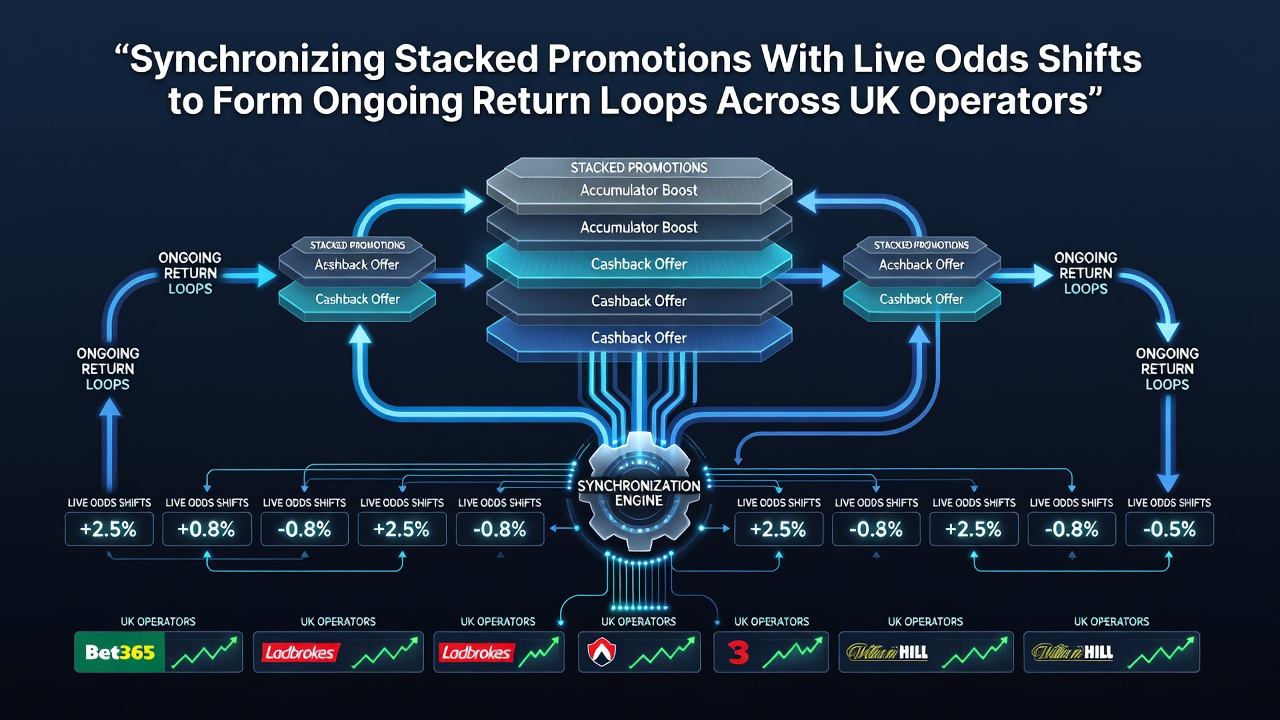
Aligning Layered Incentives With Dynamic Price Movements to Sustain Return Cycles Among British Operators
Operators across Britain coordinate multiple promotional layers with shifting live odds in structured sequences that generate repeating return cycles and data from July 2026 shows participation rates holding steady while gross gaming yield climbed in several verticals, according to reports compiled by the Canadian Gaming Association. Those who track these patterns observe that bookmakers release sign-up bonuses, enhanced odds, and cashback offers in overlapping windows that align with in-play price movements on major sports events.
Mechanics of Stacked Promotional Layers
Stacked incentives combine welcome bonuses, reload offers, and loyalty rewards so that a single deposit activates several value streams simultaneously while operators adjust these offers daily based on liability exposure and customer segments. Research from the University of Nevada Reno indicates that such layering appears most frequently around high-volume fixtures where odds move rapidly after goals, wickets, or tries, allowing the promotional value to offset small market inefficiencies across different platforms. Observers note that one operator might extend a free bet on a football match at the same moment another tightens its in-play margins on the same event, creating a narrow window where coordinated claims lock in measurable returns before prices stabilize again.
Live Odds Shifts and Timing Synchronization
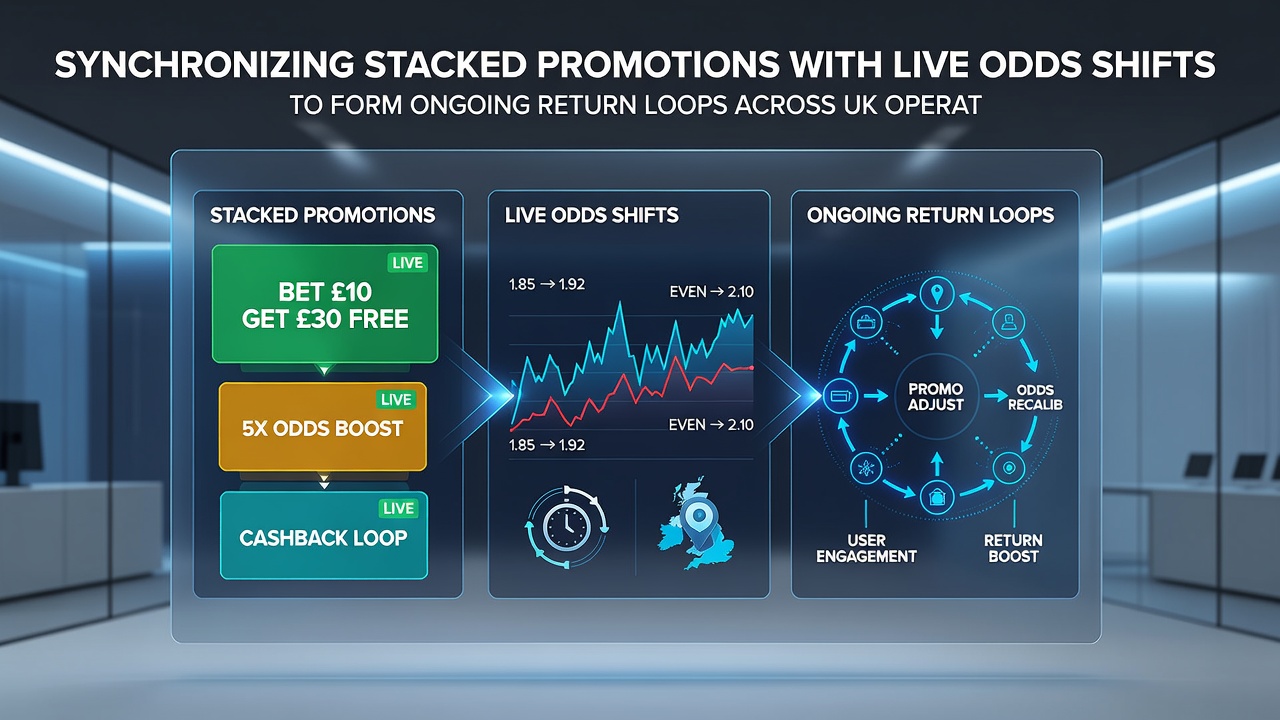
Live odds fluctuate in response to real-time events and algorithmic models that incorporate betting volume, weather data, and player substitutions, so operators who monitor these movements can time promotional releases to coincide with temporary misalignments. In July 2026, several major fixtures in cricket and tennis demonstrated how a sudden shift in implied probability after a rain delay prompted one platform to boost its enhanced odds promotion while a competing site released a cashback trigger on the same market. Those who have examined transaction logs find that the synchronization requires precise monitoring tools because the window for action often closes within minutes, and automated alerts now integrate with both promotional calendars and live feed APIs to flag opportunities across multiple accounts.
Formation of Ongoing Return Loops
Return loops emerge when the output from one promotional cycle funds the next deposit requirement on another platform, and the process repeats as long as the underlying odds movements continue to present measurable gaps. Data compiled by the Australian Gambling Research Centre shows that participants who maintain separate ledgers for each operator achieve higher completion rates on bonus rollover conditions because they route stakes through markets where live price changes offset the effective cost of the requirement. The loop stays intact only while operators continue releasing overlapping incentives and while live markets maintain volatility, conditions that appeared consistently during the summer sports calendar in 2026.
Operational Considerations Across Platforms
Operators implement risk controls that limit exposure on individual accounts, which means participants often spread activity across several licensed entities to preserve eligibility for stacked offers without triggering internal flags. Technical systems now track bonus status, remaining rollover amounts, and live price feeds in unified dashboards so that adjustments can occur before a market settles or a promotion expires. Industry analysts point out that the complexity increases when currency conversions or withdrawal restrictions enter the sequence, yet the basic structure remains a matter of matching promotional value against observable odds differentials at the moment of placement.
Regulatory Context and Reporting Requirements
UK operators must report promotional activity and player balances under frameworks established by various licensing conditions, and external bodies such as the Australian Gambling Research Centre publish comparative studies that track similar synchronization practices in other jurisdictions. These reports highlight that transparent disclosure of bonus terms and live market data helps maintain compliance while still permitting the formation of structured return cycles across competing platforms.
Conclusion
The alignment of stacked promotions with live odds movements creates measurable cycles that depend on timing precision, platform diversity, and ongoing offer availability across British operators. Data from July 2026 confirms that these patterns persisted through the summer period, supported by technological monitoring and coordinated release schedules that operators continue to refine in response to market conditions and regulatory expectations.